How To Distribute Content Effectively

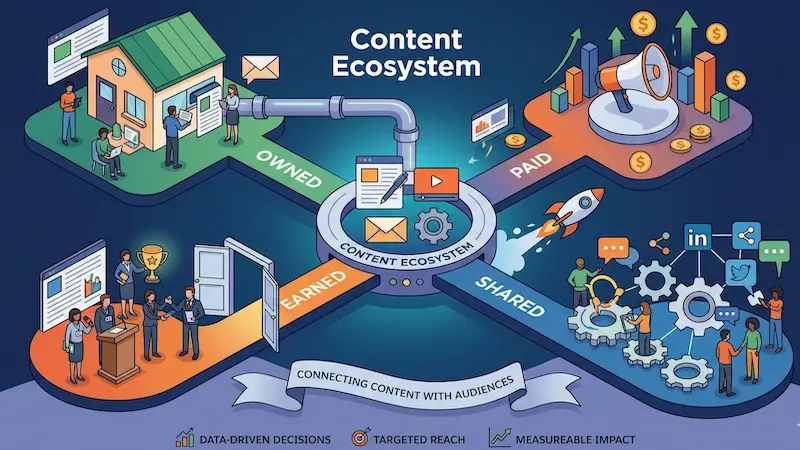
If you’ve ever published something you were genuinely proud of and watched it go nowhere, you already understand the problem.
There’s just too much content being published.
Between blogs, newsletters, podcasts, and short-form video, every channel is saturated. Renowned digital marketer Mark Schaefer coined the term “content shock” years ago, and if anything, it’s worse now.
It’s not only about who creates the best content. It’s about who gets it seen.
Distribution is what determines whether your content does anything at all.
When it works, you feel it quickly, more inbound, better recall, and lower acquisition costs. When it doesn’t, even the strongest content dies quietly.
When it comes to content strategy, here’s how to get distribution right.
Understanding Your Audience
Most teams say they understand their audience. Very few actually do.
You don’t need another persona doc with age, job title, and industry. That doesn’t help you decide where to distribute or how to position something.
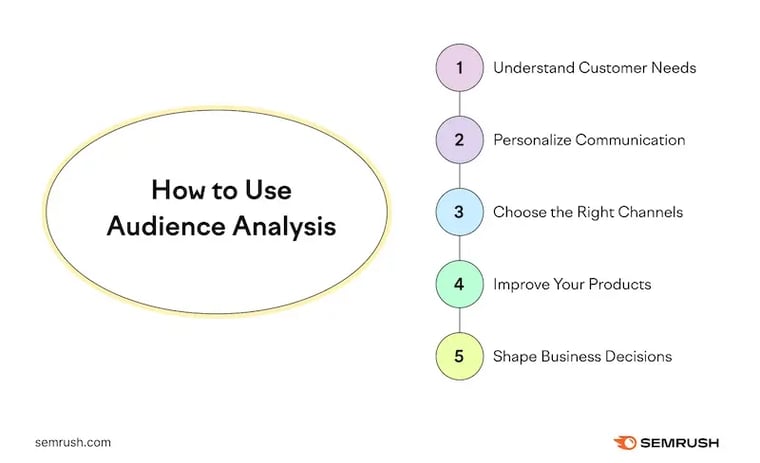 What matters more is this:
-
What are they trying to solve right now?
-
Where do they actually spend time?
-
What makes them stop and pay attention?
Wade O’Shea, Founder of BusCharter.com.au, works in a business where demand is often urgent and location-specific, so getting in front of the right audience at the right time directly impacts bookings.
He says,
“We’ve had campaigns where the content was solid, but it was showing up in the wrong places. Once we shifted distribution to where people were actually searching during trip planning, local queries, and last-minute bookings, the same content started converting. It wasn’t a content problem. It was a placement problem.”
You start to see patterns when you look at real data instead of assumptions.
CRM notes tell you why deals were won or lost. Email engagement shows what topics people care about. On-site behaviour tells you what they actually read versus what they ignore.
Then you layer in external signals. Reddit threads. Slack groups. G2 reviews. Conference Q&As.
And interviews help more than anything. Ten short conversations will give you more clarity than most dashboards.
The other mistake is treating the audience as one group.
The person approving the budget behaves very differently from the person using the product. They don’t read the same content or sit on the same platforms. They don’t respond to the same messaging.
If you don’t account for that, distribution becomes guesswork.
Channels For Content Distribution
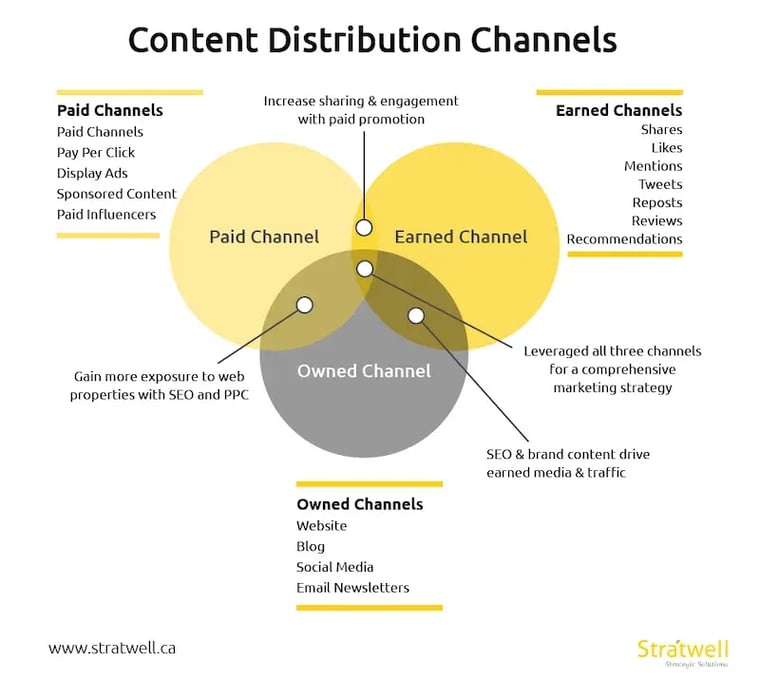
Distribution only starts clicking when you treat each channel differently, based on what it’s actually good for. If you want to distribute content effectively, you need to leverage the channels that will deliver results.
Owned Media
This is where you actually have control. Your site. Your blog. Your email list. Your community.
No algorithm decides whether people see your content.
If something starts working on social or search, that attention should land here. If your owned channels aren’t set up to capture it with clear next steps, strong internal linking, and obvious subscription paths, you lose most of the upside.
Earned Media
This entails press mentions, backlinks, community shoutouts, and podcast features.
Most teams show up in communities only when they want something. That never works. The ones that get mentioned are the ones that contribute regularly without pushing.
Eric Yohay, CEO and Founder of Outbound Consulting, spends most of his time fixing breakdowns in sales and outreach systems, where poor distribution shows up as wasted effort rather than poor messaging.
He says,
“A lot of teams think their content isn’t working, but what’s really happening is it’s never reaching the people it was meant for. We’ve seen outbound campaigns improve just by tightening where content shows up, who sees it, when they see it, and in what context. Distribution is usually the constraint, not the content itself.”
Trust builds slowly. Then the distribution follows.
What helps:
-
Original data. Not opinions, data people can cite.
-
A clear point of view. Weak takes don’t get picked up.
-
Being easy to work with. Fast responses matter more than people think.
Paid Media
Paid media works. But only if you’re honest about what you’re testing.
If someone is searching for something specific, don’t send them to a broad explainer. If they’re early-stage, don’t hit them with a demo request.
Also, clicks don’t tell you much. You need to look at what happens after, scroll depth, time on page, actual conversions, and pipeline.
And creative fatigue is real.
If you don’t refresh messaging, performance drops faster than most teams expect.
Shared Media
This is where distribution becomes a conversation. Most brands still treat it like a broadcast channel.
The posts that work are written for the platform, not copied across channels.
 Sixin Zhou, Marketing Manager at LDShop, focuses on product-driven funnels where small changes in messaging and placement directly affect conversion rates.
He says,
“We used to push the same content across every channel and expect it to perform the same way. It never did. Once we started adapting how we present things based on where people see it: shorter, more direct for social, more detailed for search, the engagement gap closed fast. The channel changes how the content needs to land.”
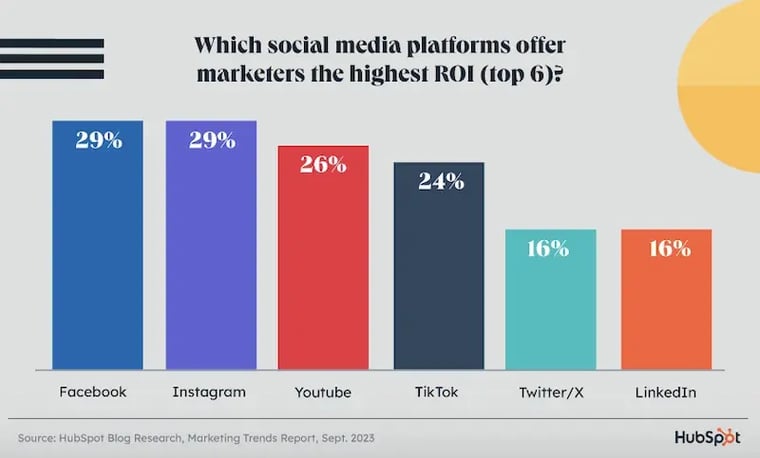
LinkedIn ≠ Twitter ≠ Instagram.
Also, you need to reach the right people. A small group engaging consistently is more valuable than large numbers that do nothing.
For a baseline on where attention sits globally, DataReportal’s overview is useful for platform trends and usage.
Strategies For Effective Content Distribution
Channels matter, but what you actually do with the content matters more. The difference shows up in how long a piece continues to perform after publication.
Content Repurposing
Teams treat content as one-and-done. If something is strong, you should be able to reuse it across formats without forcing it.
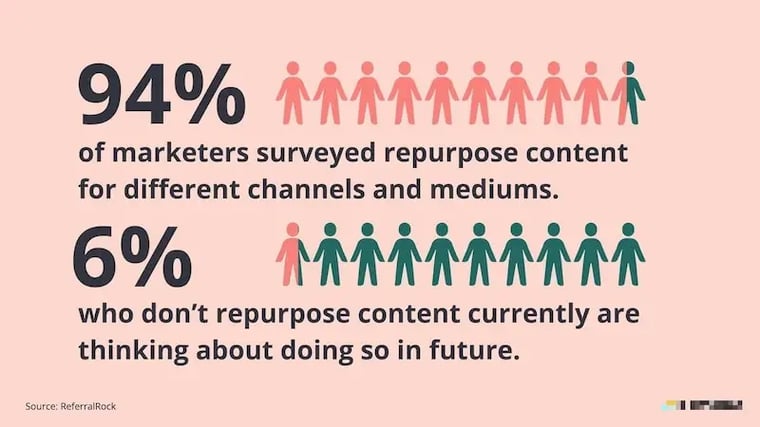 One good piece can stretch:
-
Blog → multiple social posts
-
Report → webinar + slides + threads
-
Webinar → short clips + email series
But this only works if you plan it up front. Trying to retrofit repurposing after publishing usually leads to weak derivatives.
The better approach is to build with distribution in mind from the start.
SEO And Content Optimization
Search is slow. But it compounds. The mistake is trying to rank for everything in one piece.

Bryan Henry, President of PeterMD, works in a space where patient decisions take time, so content has to show up repeatedly across different touchpoints before someone is ready to act.
He says,
“In healthcare, people don’t convert the first time they see something. They come back through search, email, and sometimes even social. If your distribution isn’t consistent across those touchpoints, you lose them between steps. The content matters, but the repetition across channels is what actually moves someone forward.”
Each page should do one job well. Clear intent, with internal links that actually help navigation.
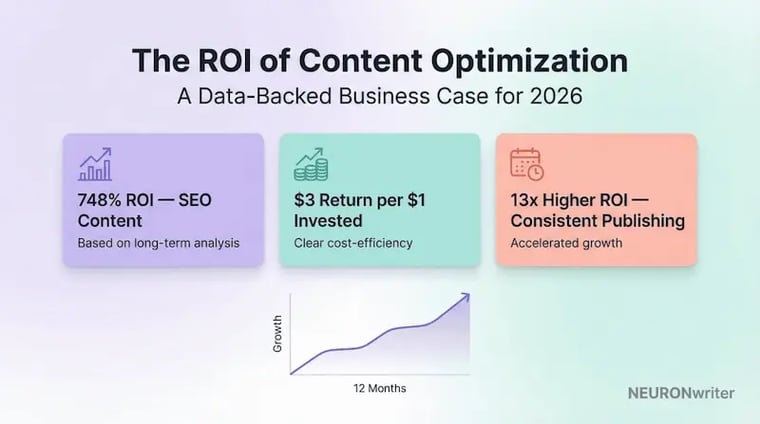 And updates matter more than people think.
Old content decays. Refreshing stats, tightening intros, and adding examples, these small changes can recover traffic without creating anything new.
Also, assets matter.
If your content gives people something to reference, data, frameworks, or tools, it earns links naturally.
SISTRIX’s CTR data shows how many clicks concentrate at the top of search results, which is why getting structure and intent right matters so much.
Influencer And Partner Collaboration
A smaller, aligned audience will outperform a large, disengaged one almost every time.
The best partnerships feel natural because they are.
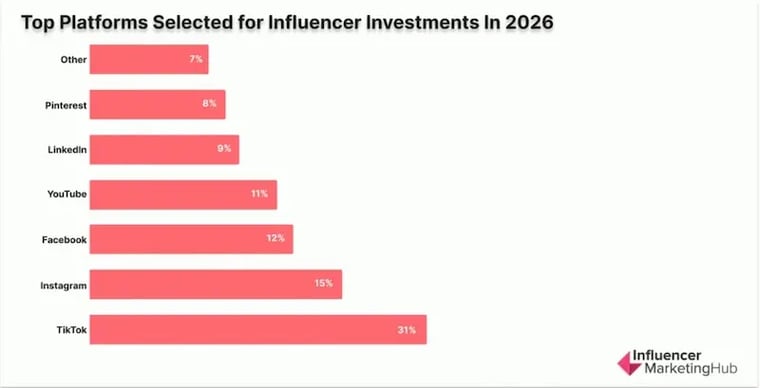 They usually revolve around something useful:
-
Joint research
-
A workshop
-
A practical resource
And the distribution plan is agreed upon before anything is created. If you don’t define who promotes what, most partnerships underperform.
Tools And Technology For Content Distribution
You need tools that reduce friction. The ones below are examples, but you’ll find loads of alternatives in each category.
-
Planning: Notion, Asana, Airtable
-
Social: Buffer, Hootsuite, Sprout
-
Email: HubSpot, Mailchimp
-
SEO: Search Console, Ahrefs, Semrush
-
Analytics: GA4, Looker Studio, UTMs
-
PR: Muck Rack, outreach platforms
-
Repurposing: Descript, Canva
The key is integration. If your data is scattered, you won’t act on it.
Start simple. Automate repetitive tasks. Keep the thinking human.
Measuring And Analyzing Distribution Success
Tracking likes, shares, and impressions is not enough. What matters is whether distribution leads to outcomes.
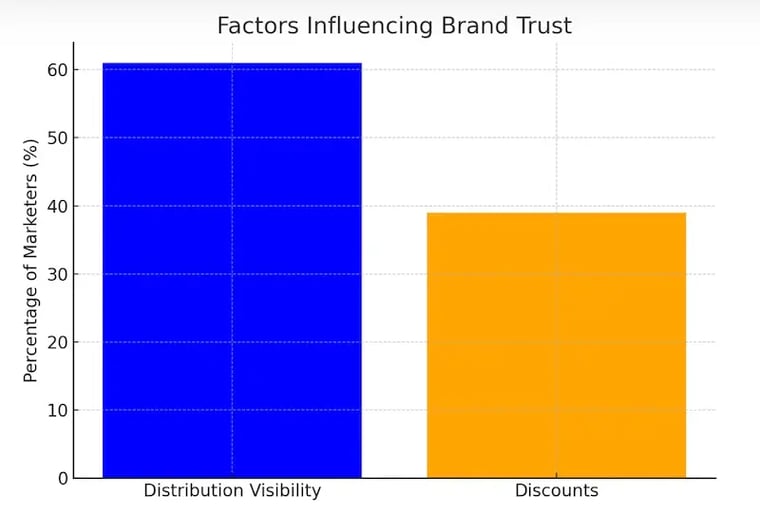 Jeffrey Zhou, CEO and Founder of Fig Loans, oversees acquisition funnels where intent and timing directly affect application quality, making distribution decisions tightly tied to outcomes.
He says,
“We’ve seen traffic go up without any improvement in results, and it usually comes down to distribution. If you’re bringing in the wrong audience, more traffic just means more noise. When distribution lines up with intent, the same content starts producing better applications without changing anything else.”
Which channels bring in people who actually convert? Which ones drive meaningful engagement?
Focus on:
-
Quality of traffic
-
Depth of engagement
-
Conversion behaviour
-
Cost efficiency
UTMs are non-negotiable. Without them, you’re guessing. And patterns matter more than individual posts.
A topic cluster performing well tells you more than a single piece going viral.
Then adjust. Cut what doesn’t work, and double down on what does.
Case Studies And Real-World Examples
Let’s look at a few brands that do this well.
Ahrefs has built a repeatable system: SEO, email, social, plus repurposing into video, that keeps their content working across channels.
Morning Brew turned readers into a distribution engine through referrals. Simple structure, clear incentives, easy sharing.
Duolingo leaned into TikTok culture rather than forcing its brand messaging. That shift alone drove disproportionate reach.
Different approaches, with the same principle.
Where To Start
Most teams try to do too much at once.
That’s usually why nothing works.
Start smaller.
-
Talk to a few customers.
-
Pick one strong piece of content and plan how it spreads before you create it.
-
Focus on two channels, not five.
-
Track properly.
-
Run one or two experiments alongside what’s already working.
Distribution gets better with repetition.
And the teams that improve fastest are the ones that pay attention to what actually happens after they hit publish.
If you want to see how stronger distribution can actually drive results, you can explore a few practical approaches at Aspiration Marketing.